
 English
 中文简体
中文简体 русский
 Français
 Español
 عربى
عربى Contáctenos
-
 Electrónica y semiconductores
-
 Industria petroquímica
-
 Tratamiento térmico de metales
-
 Alimentos y bebidas
-
 Industria Farmacéutica y Sanitaria
-
 Energía y seguridad
-
 Nuevos materiales y fabricación inteligente
-
 Vulcanización de Neumáticos con Nitrógeno
-
 Gas portador de instrumentos de laboratorio
-
 Purga y desplazamiento industrial
Tamiz molecular de carbono para la industria de bebidas: Guía de generación de nitrógeno
2026-09-08
Contenido
- 1 Por qué los productores de bebidas necesitan nitrógeno
- 2 Cómo el tamiz molecular de carbono suministra el nitrógeno
- 3 Aplicaciones en bebidas del nitrógeno generado por CMS
- 4 Criterios de selección para sistemas de nitrógeno aptos para bebidas
- 5 La capacidad del proveedor como factor de compra
- 6 Consideraciones finales para implementar un sistema de nitrógeno CMS
Cuando un productor de cerveza enlatada en frío descubrió que una nota desagradable se filtraba en su café cuatro meses después del envasado, la causa no fueron los granos ni la línea de embotellado. El oxígeno disuelto había alcanzado 1,2 mg/L durante el llenado y la bebida reaccionaba dentro de la lata. La solución no requirió equipo nuevo ni una receta diferente. Requería un suministro constante de nitrógeno de alta pureza. El tamiz molecular de carbono (CMS) es el material que permite ese suministro y es la columna vertebral de los generadores de nitrógeno PSA utilizados en toda la industria de bebidas.
Por qué los productores de bebidas necesitan nitrógeno
El nitrógeno tiene dos funciones distintas en la producción de bebidas. Desplaza el oxígeno de los tanques, las líneas y el espacio superior del paquete para evitar la oxidación y proporciona una atmósfera inerte durante el procesamiento y el envasado para mantener estable el producto. Sin él, la cerveza desarrolla notas parecidas al papel, el vino se vuelve aldehído y los jugos pierden su vitamina C y su color.
Los objetivos prácticos están bien establecidos. La mayoría de las aplicaciones de bebidas requieren oxígeno disuelto por debajo de 0,5 mg/L en el momento del llenado, y la concentración de oxígeno en el espacio superior del paquete debe permanecer cerca de cero. Para muchas bebidas envasadas, una pureza del nitrógeno del 99,9% es suficiente. Para productos de larga duración como vino o cerveza fría premium, se prefiere 99,99% o más.
Esta es la razón por la que las plantas de bebidas no dependen del aire comprimido o del CO2 como gas de protección. El aire trae consigo oxígeno. El CO2 se disuelve en agua y puede alterar la acidez y la carbonatación. El nitrógeno es químicamente inerte, apenas soluble y se genera fácilmente in situ con el material de adsorción adecuado.
Cómo el tamiz molecular de carbono suministra el nitrógeno
El hecho clave del CMS es que absorbe oxígeno más rápido y con más fuerza que el nitrógeno. Los poros tienen un tamaño de entre 0,3 y 0,5 nanómetros, lo que permite que la molécula de oxígeno más pequeña entre en la estructura de los poros bajo presión mientras el nitrógeno pasa a través de ellos. En un sistema de adsorción por cambio de presión (PSA), dos o más lechos llenos de CMS alternan entre adsorción y regeneración, y la salida es una corriente continua de nitrógeno con la pureza requerida.
Esta separación es cinética más que basada en el equilibrio. Las moléculas de oxígeno se difunden rápidamente hacia los microporos, mientras que las moléculas de nitrógeno no. La diferencia en la velocidad de difusión, no sólo el tamaño molecular, es lo que produce la separación. Cuando se despresuriza el lecho, el oxígeno capturado se desorbe y se ventila, dejando el CMS listo para el siguiente ciclo.
Desde el punto de vista de la producción, CMS también hace que la generación de nitrógeno sea económica. Un sistema PSA típico con CMS puede entregar nitrógeno a entre un 30 y un 50 por ciento del costo del nitrógeno líquido entregado y elimina la logística de la entrega en camión cisterna. Para una planta de bebidas que procesa un promedio de 10.000 latas por hora, esa diferencia en el suministro de gas puede producir ahorros anuales sustanciales.
Aplicaciones en bebidas del nitrógeno generado por CMS
El valor práctico del nitrógeno generado por CMS es visible en toda la cadena de suministro de bebidas, incluido el aplicaciones de alimentos y bebidas donde se requiere gas inerte. La red de usos abarca el almacenamiento y el procesamiento, hasta llegar a la etapa de envasado.
Durante el almacenamiento y procesamiento, el nitrógeno cubre el espacio libre de los tanques de vino y jugo, desplazando al oxígeno antes de que pueda reaccionar. En los sistemas en línea, purga tuberías y filtros después de la limpieza y proporciona contrapresión para la filtración por membrana. En las operaciones de llenado, el nitrógeno barre los botes antes de agregar CO2, evitando la captación de oxígeno en la cerveza y las bebidas gaseosas.
En el envasado, el nitrógeno es el gas principal en el envasado en atmósfera modificada (MAP) para productos como café, té y bebidas listas para beber. MAP extiende la vida útil al mantener la atmósfera interna en un nivel de oxígeno objetivo, y los sistemas CMS hacen que este perfil se pueda lograr en el sitio en lugar de depender de cilindros de gas premezclado.
Para estas aplicaciones, la elección del grado de CMS y la capacidad del generador deben alinearse con la bebida y el objetivo de vida útil. Un productor de vino que almacena cosechas durante tres años necesita una pureza mayor que una línea de jugo que llena un producto de 12 meses.
Criterios de selección para sistemas de nitrógeno aptos para bebidas
La idoneidad del tamiz molecular de carbono para uso en la industria de bebidas depende de hacer coincidir el material de adsorción con la atmósfera objetivo. La compra de CMS para una planta de bebidas se reduce a cuatro parámetros: el objetivo de pureza, el caudal de nitrógeno, la presión de trabajo y la vida útil esperada del material de adsorción. Estos parámetros determinan si el sistema PSA generará la atmósfera deseada a un costo operativo aceptable.
La pureza es el parámetro más comúnmente mal entendido. Las plantas de bebidas a menudo asumen que el nitrógeno de calidad alimentaria es un estándar único, pero el nivel de oxígeno requerido depende completamente del producto. La siguiente tabla resume los requisitos típicos.
| Solicitud | Pureza del nitrógeno | Límite de oxígeno | Razón |
|---|---|---|---|
| Llenado de cerveza | 99,9% | ≤100 ppm | Previene la oxidación de los compuestos del lúpulo. |
| almacenamiento de vino | 99,99% | ≤10 ppm | Protección a largo plazo contra el acetaldehído. |
| Jugo y te | 99,9% | ≤100 ppm | Conserva el ácido ascórbico y el color. |
| Embalaje de mapa | 99,9% to 99.99% | ≤100 ppm | Controla el deterioro microbiano y oxidativo. |
El caudal es el segundo factor de compra. Una planta que llena 24.000 latas por hora necesita un volumen de nitrógeno mayor que una cervecería artesanal que ejecuta una sola línea de embotellado. El consumo de nitrógeno en la industria de bebidas, incluido el sellado de tanques, la purga de tuberías y el envasado, puede estimarse, pero debe medirse en lugar de adivinarse. Un tamaño insuficiente del generador provoca interrupciones; el sobredimensionamiento conduce a un desperdicio de capital.
La vida también importa. Las partículas de CMS se degradan cuando se exponen a la humedad, el aceite o el polvo, y su rendimiento de adsorción disminuye con el tiempo. En un sistema PSA bien mantenido, el CMS suele durar de cinco a ocho años antes de ser reemplazado. El riesgo crítico es comprar un grado de bajo costo que pierda capacidad de adsorción en doce meses, lo que se traduce en tiempos de ciclo más largos y un mayor consumo de energía antes de que la pureza del nitrógeno finalmente caiga por debajo de las especificaciones.
Existen diferentes grados para diferentes prioridades. CMS240 se utiliza generalmente cuando la pureza del nitrógeno en el rango del 99,9 % es suficiente y la eficiencia energética es el objetivo principal. CMS260 se selecciona para requisitos de pureza ultra alta superiores al 99,99 %, donde una menor fuga de oxígeno es más importante que el tamaño del sistema. Estos son los tipos de decisiones sobre productos que los productores de bebidas necesitan para alinearse con sus objetivos de producción reales.
La capacidad del proveedor como factor de compra
El grado de CMS que seleccione será tan bueno como el proceso de producción que lo respalda. En las aplicaciones de bebidas, la consistencia del producto es más importante que las afirmaciones de marketing de lote a lote. Un proveedor con control sobre la selección de materias primas y los parámetros de carbonización produce un comportamiento de adsorción reproducible.
Anhui Zhuoxu New Material Technology Co., Ltd. fabrica tamices moleculares de carbono en una instalación de carbono poroso de 4000 toneladas por año en la provincia de Anhui, China, y planea una segunda fase de 3000 toneladas para 2026. La empresa posee 21 patentes principales y la certificación ISO9001, y describe su trayectoria tecnológica como carbono duro a base de resina, que respalda una alta estabilidad estructural. Para obtener una introducción técnica que explique el material y su rango de rendimiento, lea Qué es el tamiz molecular de carbono y por qué es importante .
El tamiz molecular de carbono de la empresa está disponible para una evaluación directa según sus especificaciones de producción.
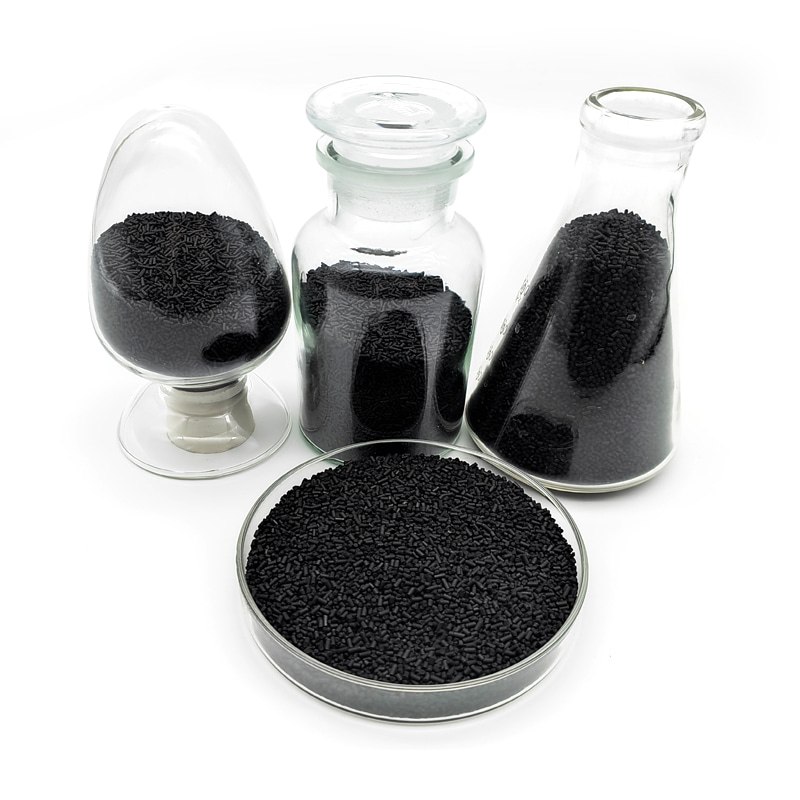
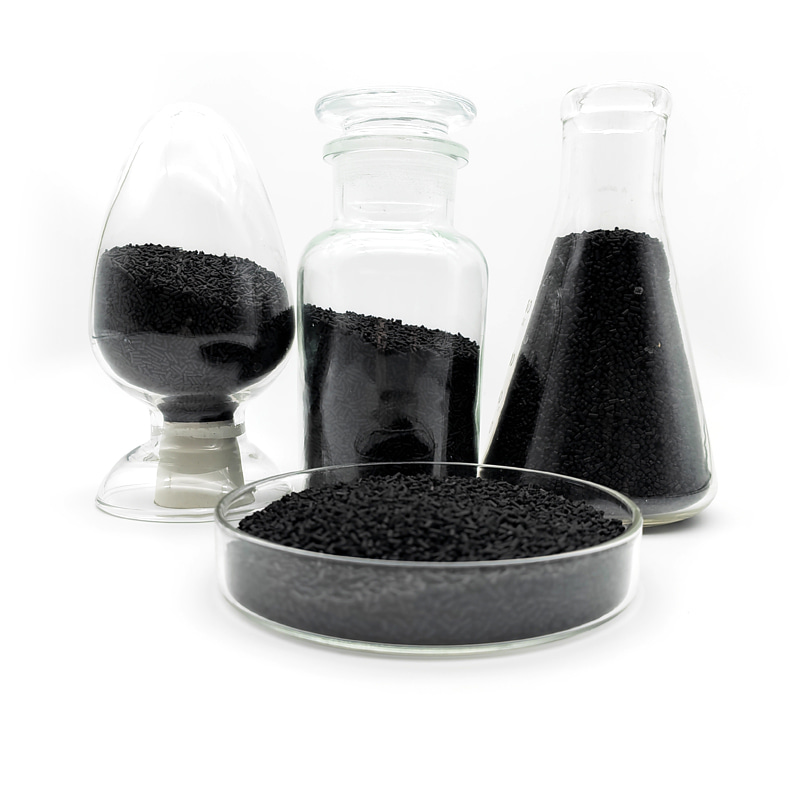
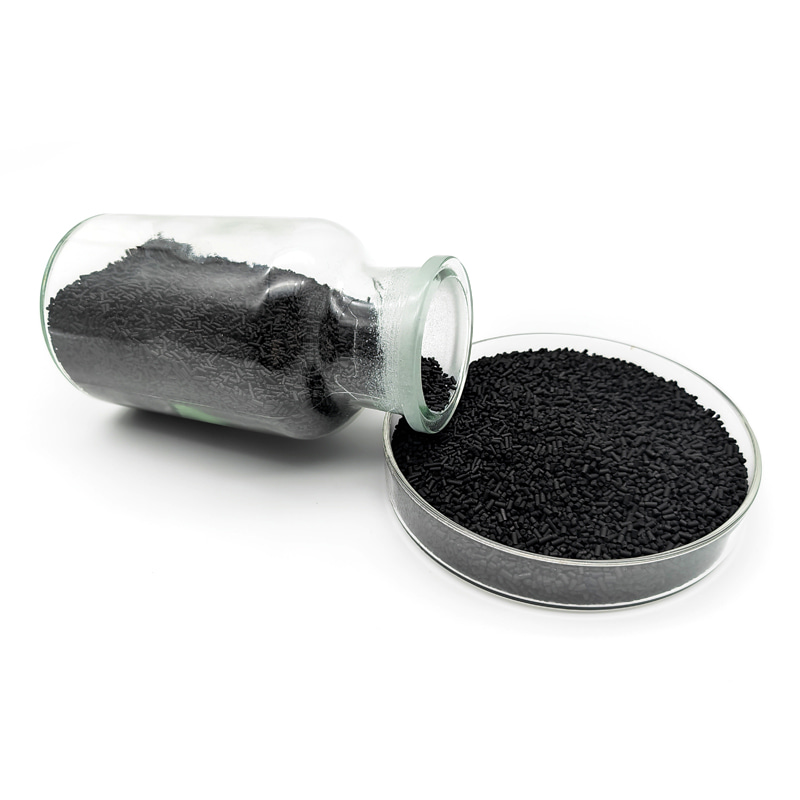
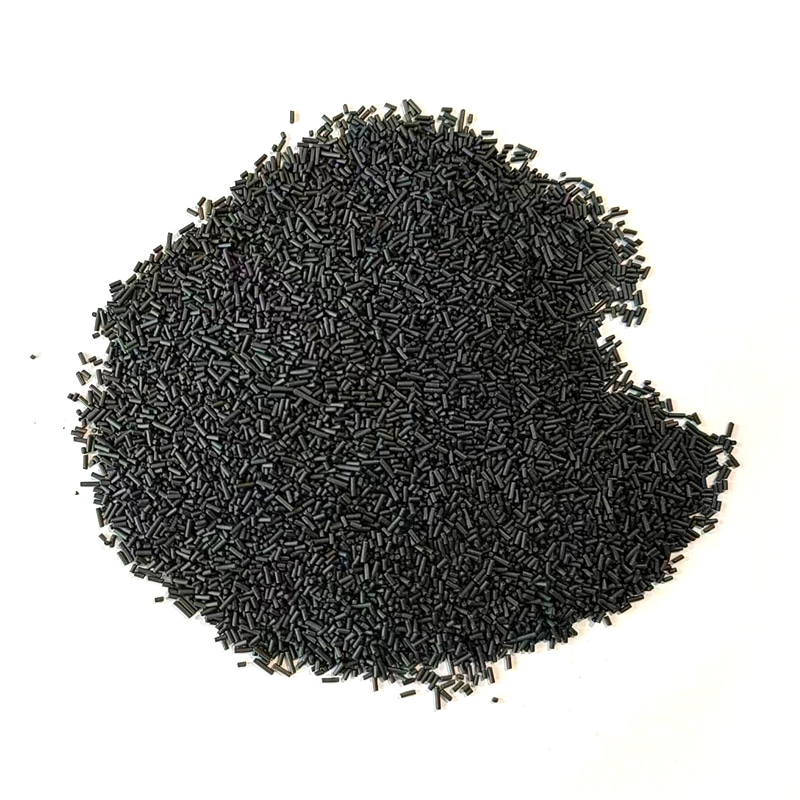
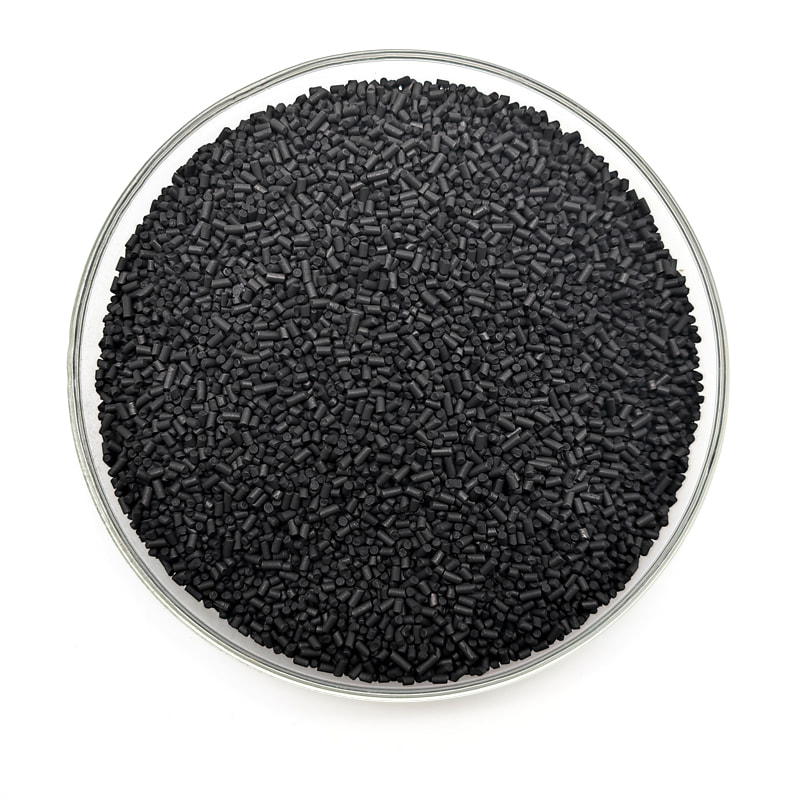 Tamiz molecular de carbono para una separación eficiente de oxígeno y nitrógeno Este tamiz molecular de carbono ofrece tamaños de poro uniformes para una adsorción selectiva, lo que permite una producción eficiente de nitrógeno. Es ideal para evaluar sus requisitos de pureza y especificaciones de producción específicos. Ver producto →
 Hacer coincidir la selección del grado con el objetivo de pureza real es un primer paso mejor que confiar en una hoja de producto general.
Consideraciones finales para implementar un sistema de nitrógeno CMS
La necesidad de nitrógeno de la industria de las bebidas no desaparecerá. La oxidación sigue siendo la causa más común de pérdida de sabor, pérdida de color y reducción de la vida útil en las bebidas envasadas. El tamiz molecular de carbono es el material que hace posible la generación de nitrógeno in situ, y la decisión de compra clave es seleccionar un grado que coincida con el objetivo de pureza de la línea de productos.
Antes de evaluar a los proveedores, anote cuatro números: el límite de oxígeno deseado, el consumo promedio de nitrógeno, la presión de operación y el intervalo de reemplazo esperado. Luego pídale al proveedor que demuestre, no solo reclame, el desempeño del material. La coherencia de un lote a otro es la variable oculta en la compra. La calidad del CMS dentro del recipiente de PSA es lo que en última instancia define el sabor del producto que usted pone en un estante.


 Correo electrónico
anhuilisa@126.com
Correo electrónico
anhuilisa@126.com
 Teléfono
+86 18603224420
Teléfono
+86 18603224420
 Dirección
No. 26 Kunshan Road, Zona de Desarrollo Económico de Xuanzhou, Ciudad de Liqiao, Distrito de Xuanzhou, Ciudad de Xuancheng, Provincia de Anhui, República Popular China
Dirección
No. 26 Kunshan Road, Zona de Desarrollo Económico de Xuanzhou, Ciudad de Liqiao, Distrito de Xuanzhou, Ciudad de Xuancheng, Provincia de Anhui, República Popular China
- Electrónica y semiconductores
- Industria petroquímica
- Tratamiento térmico de metales
- Alimentos y bebidas
- Industria Farmacéutica y Sanitaria
- Energía y seguridad
- Nuevos materiales y fabricación inteligente
- Vulcanización de Neumáticos con Nitrógeno
- Gas portador de instrumentos de laboratorio
- Purga y desplazamiento industrial
Copyright Anhui Zhuoxu New Material Technology Co., Ltd. Todos los derechos reservados.
